Financial Mistakes to Avoid in Your 20s, Which I Would Have Understood Quickly
When I was 22, I thought I had it all figured out.
First job, first paycheck, new apartment. And the magic of debit cards came.
Two years latet, I was looking at my credit card bill and thinking, “How did this happen?”
That’s the thing about bad money decisions in your 20s, they sneak up. A small bad habit here, an impulsive decision there, and suddenly you’re wondering where the money always goes.
If I could go back, I would give my younger self a serious lecture. But since that is not possible, maybe this list will help you avoid those mistakes.
These are the biggest money traps that my friends and I fell into in our 20s, and how you can avoid them.
- Spend every paycheck as a celebration
When you are young and starting your career, it is fun. You want to reward yourself dinner out, new clothes, weekend trip.
The problem is that this “I deserve it” thinking becomes a habit. Soon, the pay day arrives, the work is done and the account reaches zero.
A friend of mine made a rule: as soon as the salary arrives, she immediately transfers 10% of it to her separate savings account without touching it. That’s it, but she saved money from wasting it. It’s simple but works.ever she got paid, she’d immediately move 10% into a separate savings account before she even touched it. That little move stopped her from blowing everything. It’s simple, but it works.
2. Thinking Investing Is for “Later”
I used to think investing was something people did in their 40s when they had “extra” money lying around.
But i was wrong.
Your 20s are the golden years for investing not because you have a lot of money, but because you have time. The earlier you get the ball rolling, the less heavy lifting you’ll have to do later.
Here’s a quick example: if you toss just $150 a month into an investment account starting at 22, by the time you hit 60, you could be sitting on over half a million dollars and that’s without winning the lottery, just normal average returns. Wait ten years to start, and you’ll have to put in way more every month to catch up.. If you wait until 32 to start? You’d need to invest double every month to catch up.
Even if it’s just a little, start now. You’ll thank yourself later.
3. Not taking credit cards for granted
Credit cards are tricky. If used correctly, they are a tool. If used incorrectly, they are a trap.
I know people who buy vacations, laptops, and expensive clothes on credit thinking, “I will pay it back slowly.” Interest kept them in debt for years.
My personal rule is: If I can’t pay it off at the end of the month, I don’t buy it. Simple.
4. Skipping the Emergency Fund
When I was 25, my car broke down. The repair bill was more than my rent. I had no emergency fund, so guess what? Yes, I put it on the credit card. Then I paid with interest for several months. The emergency fund can be small initially. Keeping even $1,000 in a separate account saves you from financial problems. Afterwards, make a goal of spending for 3-6 months.
5. Ignoring Your Credit Score Until You Need It
You don’t think about your credit score unless you need it for a loan, apartment, or job. Bad credit means high interest rate, fewer options, and sometimes outright rejection. Building good credit is easier than fixing bad credit. Pay bills on time, keep your credit below 30%, and check your report once a year for mistakes.
6. Spending to Impress
New phone, branded clothes, expensive parties even if you can’t afford it.
I have been through this phase too. Most people go through it. But did you realise that the people who are trying to impress you are so busy in their lives that they won’t even look at your shoes.
Instead of chasing a lifestyle to show off, invest your money in things that make your life better like travel or skills that help you earn money.
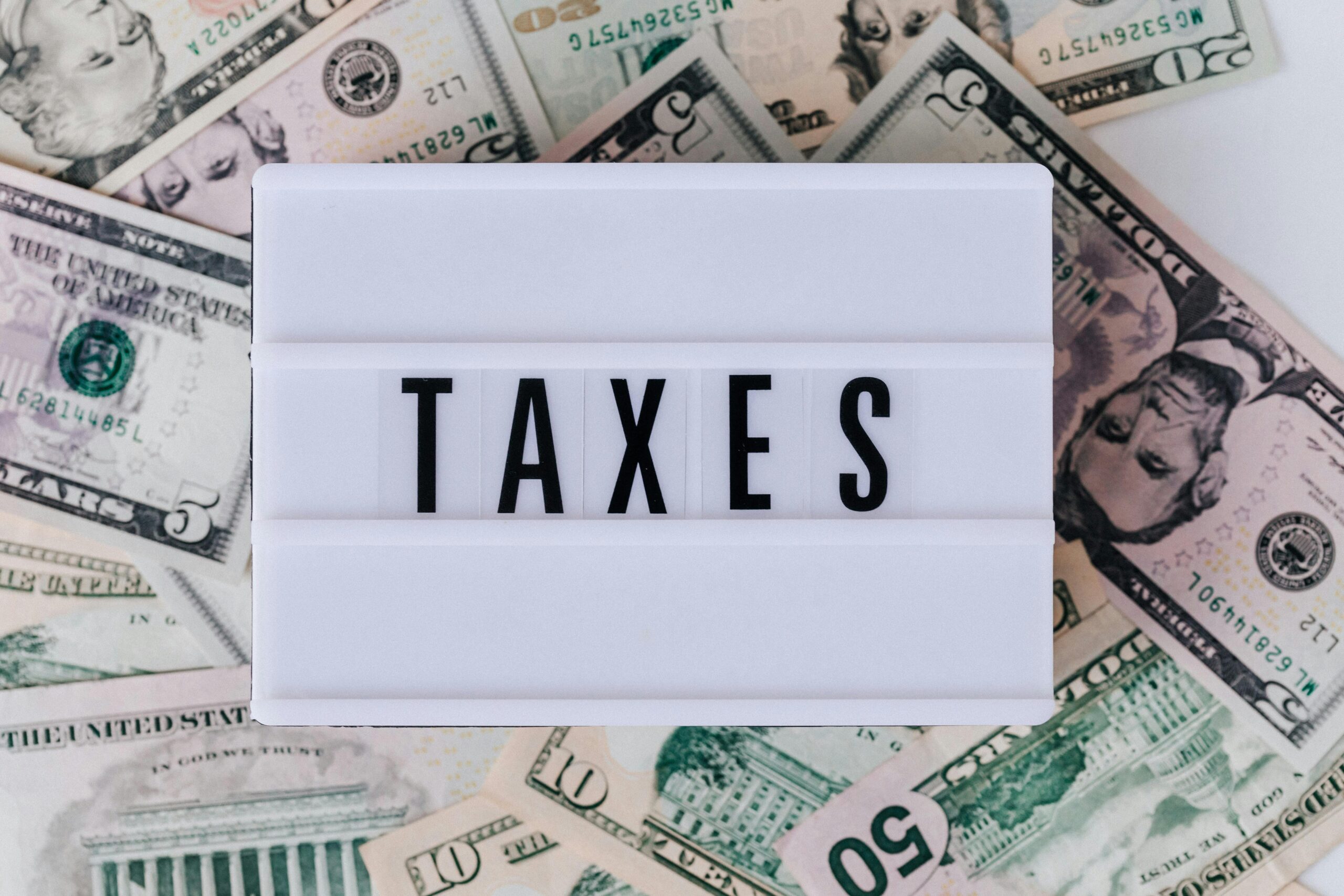
7. Not Learning How Taxes Work
The first job is exciting until you get your first pay slip and wonder where did all that tax go?
In my early 20s, I used to ignore taxes and miss deductions like work expenses, education costs, or side hustle expenses.
Take some time to understand taxes. It’s even more important if you freelance or have multiple income sources. Tax mistakes can be costly.
8. Waiting Too Long to Save for Retirement
Retirement seems very far away when you’re in your 20s. But the truth is, the sooner you start, the easier it will be.
Think about it: invest small amounts now and still make more money than someone who puts in a big amount later.
If your employer offers a 401(k) match, take it. That’s free money. If not, open an IRA and automate contributions, even if it’s just $50 a month at first.
9. Not Having a Budget (and Hoping for the Best)
I used to make a budget by checking my bank balance and then purchasing. That is not a budget, it is gambling.
A real budget shows you where the money is going and prevents you from getting confused about where the money went. I like the 50/30/20 rule:
50% necessary expenses
30% wants
20% save and invest
Even if the app or spreadsheet does not work, it is better to write down expenses in a notes app.
10. Saying “I’ll Figure It Out Later”
This is the biggest mistake you can make. We think it’s time to set our finances, but waiting every year makes it hard to catch up.
Even small starts matter. Create an emergency fund. Invest $20. Discover something new about money every week. You don’t need to be perfect, just get started.
My Final Take
Your 20s are a time to explore, make mistakes, and learn. But some mistakes, especially of money, can burden you for years.
If I summarize a rule, it is this: spend less than you earn, and invest the difference in between. It doesn’t sound great, but it works.
And one more thing, don’t beat yourself up over your past mistakes. I have made many. Many people do too. It is important that you understand them quickly and change your path.
Your future self will thank you.












Add comment