Introduction
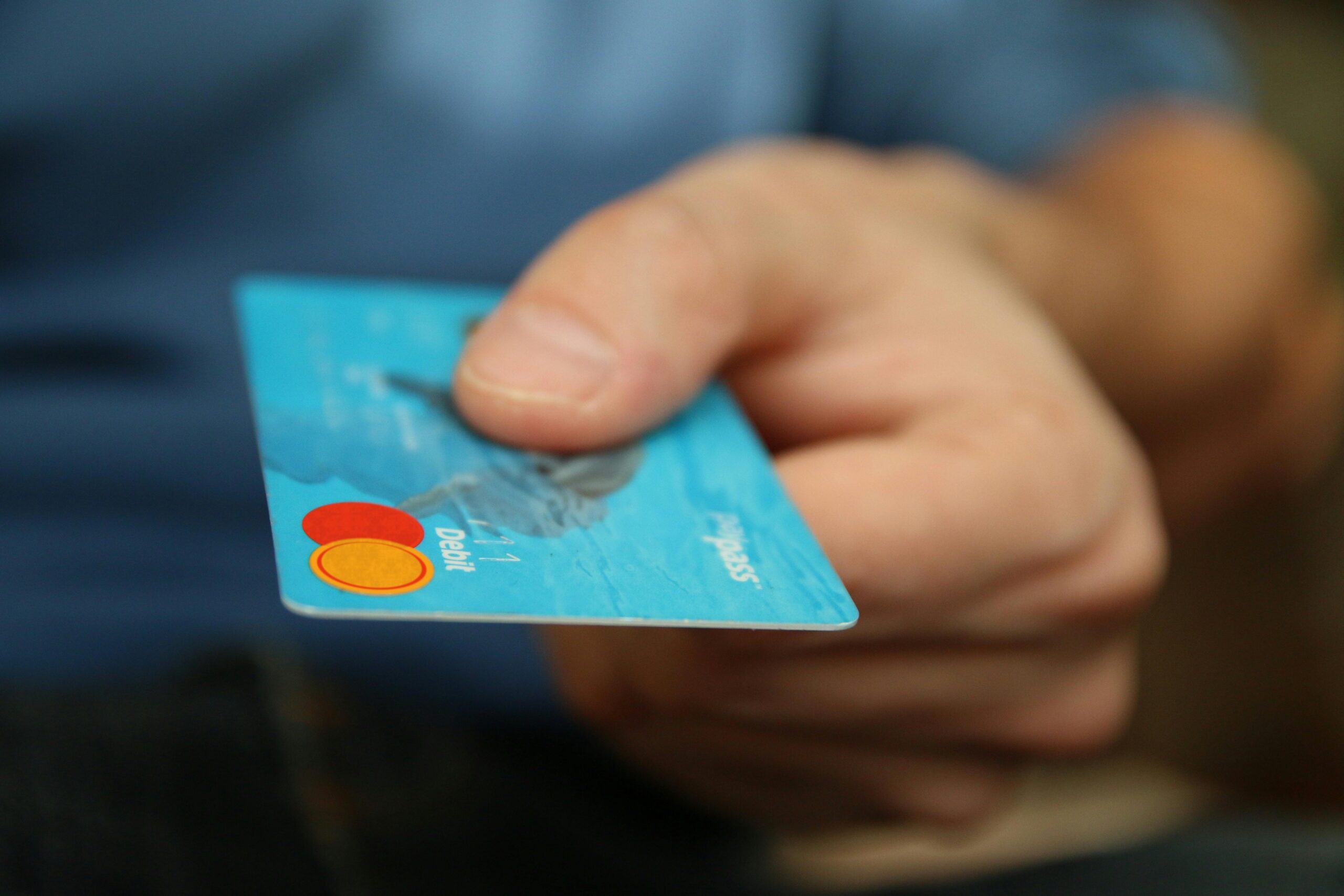
Have you ever felt that you are very happy after shopping at one moment, but after some time you feel guilty? As soon as you get your credit card statement, your heart says “Why did I do this?”
This is money regret an emotional rollercoaster that everyone has faced in their life.
In this blog, we will understand why we overspend, what is the psychology behind it, and most importantly – how to fix this problem so that we can use our money properly.
1. Psychology of Overspending – Why do we do this?
1.1 Dopamine Game
Every time you buy something new – be it a new iPhone or a $10 Starbucks coffee – dopamine is released in your brain. This “happy hormone” gives you a temporary high.
The problem is that this happiness is short-term, but money is spent in the long-term.
1.2 FOMO (Fear of Missing Out)
“The sale is about to end!”
“Limited edition sneakers!”
Marketing companies use exactly these tactics so that you feel that if you don’t buy it right now, you have lost something. And we overspend due to that FOMO.
1.3 Emotional Spending
Have you ever noticed that when you are in a bad mood, you feel tempted to go shopping? This is called retail therapy. People spend unnecessarily to cover stress, breakups, or boredom.
Example: $200 impulsive shopping after a breakup was just for temporary relief – but later it was guilt.
1.4 Easy Credit = Easy Spend
There is always a “pain” when you spend cash, because money comes out of your hands physically. But with a credit card, that pain is less, and overspending seems easy. This is called the pain of paying effect.
2. The Cost of Money Regret
2.1 Financial Stress
Overspending has a direct impact on your monthly budget. Bills go up and you are caught in the cycles of EMIs.
2.2 Anxiety and Guilt
It affects your metal health too its not just about money. You feel like that you are not financially responsible and that cycle begins.
2.3 Damage of Long Term
Once the overspending habit is develop its destroys all of the your goals including savings retirement goals and investments. $500 unnecessary spend every single month in a year equals $6,000 per year. If the same money had been invested then a lot of wealth could have been created through compounding.
3. How to fix overspending?
Now let’s talk about solutions – how to get out of this cycle and gain control over money.
3.1 Awareness – Understand your trigger
First of all, identify when you overspend.
- Under stress?
- After seeing a sale?
- Under pressure from a friend?
- Make a “spending journal” in which write down the reason for spending. Awareness is the first step to control.
3.2 24-Hour Rule
If you like a product, do not buy it immediately. Keep a 24-hour cooling-off period. In most cases you will feel that the product was not really necessary.
3.3 Budgeting with Fun
Budget making seems boring, but there is a smart hack.
- 50% money essentials (rent, bills, groceries)
- 30% wants (shopping, dining out, entertainment)
- 20% savings/investments
- This “50/30/20 rule” keeps you balanced.
3.4 Cash over Card
Use cash for important things. When you take out a $100 note from your wallet, that pain forces you to think – “Is this really important?”
3.5 Subscription Audit
How many hidden subscriptions are running on your credit card? Netflix, Spotify, gym, app subscriptions which you rarely use.
Audit all of them once and cancel the ones which are not being used. These small things alone can save $50–$100 monthly.
3.6 Make savings automatic
Keep the mindset of “Spend what’s left” instead of “Save what’s left”. Meaning, as soon as you receive your salary, auto-transfer $500 to your savings/investment account. Spend whatever is left.
3.7 Financial Therapy
If overspending has become a serious problem, seek help from a financial therapist or counselor. This will teach you to develop a healthy relationship with money.
4. Real-Life Example
A research says that Americans on average spend $1,200 per year on impulse buying.
Imagine if this money was invested in an S&P 500 index fund, which has an average annual return of ~10%. After 10 years, this $1,200 invested every year would become ~$19,000+.
This means that by overspending, you not only lose money, but also your future wealth.
5. Hidden Traps That Make You Overspend
Overspending is not just about your psychology, but environment and technology also play a huge role.
5.1 Social Media Pressure
Instagram, TikTok and YouTube have made lifestyle comparison even easier. You see people going on luxury vacations, buying $500 sneakers, and you feel like you’ve fallen behind.
This is called the comparison trap – where you judge your self-worth based on the purchases of others.
Reality: Those people are either in debt or just watching a highlight reel. It’s just not possible to live that lifestyle every day.
5.2 Buy Now, Pay Later (BNPL)
Nowadays services like Klarna, AfterPay say – “Just pay $25 now, rest in 3 installments.” This sounds cheap, but in reality it makes overspending easier.
Even a $200 purchase feels like “$25 now”, and you end up buying things that you don’t need.
5.3 Micro-Transactions
Gaming, apps, streaming – small charges of $1–$5 everywhere. Individually it seems like nothing, but by the end of the year it reaches $600–$1,000.
6. Long-Term Mindset Shift
You cannot depend on short-term hacks to avoid overspending. For this you have to shift your mindset.
- Think in Years, Not Days: Whenever you have to buy something, think whether this thing will be useful even after 1–2 years or not.
- Calculate in Hours, Not Dollars: If your job pays $20/hour and you do shopping worth $200, it means you gave 10 hours of your life. Was it worth it?
- Invest in Experiences, Not Just Things: Studies say that long-term happiness comes not from things (gadgets, clothes), but from experiences (travel, learning, family time).
Final Thoughts
Overspending is a common problem – and money regret is its natural result. But if you understand your triggers, follow budgeting rules, and bring in a little discipline, it is absolutely possible to break this cycle.
Remember, money itself is not a bad thing. Problems begin when we associate it with emotions.
From today adopt a simple principle: “Spend for value, not for mood.”
You will see that the balance in your bank account will be stable and there will be peace in your mind.











Add comment